


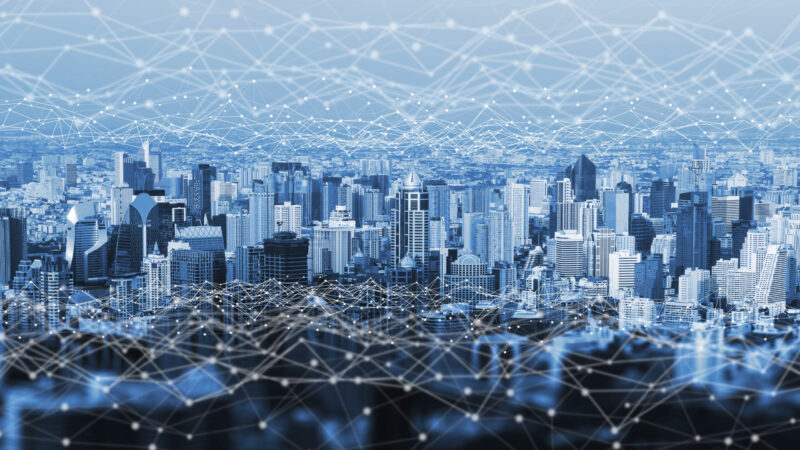
Building resilient cities with the help of infrastructure digital twins is an innovative approach. It leverages cutting-edge technology to enhance urban infrastructure planning, design, and management. Digital twins, virtual replicas of physical assets, offer valuable insights and real-time data analysis capabilities. These capabilities can revolutionize how cities prepare for various challenges, from natural disasters to population growth. Also, they transform how cities respond to these challenges.
Evolution of Digital Twins in Urban Infrastructure
From their origins in industrial manufacturing for product optimization, digital twins have now found a new playground in urban infrastructure. Through sophisticated modeling and simulation, cities can now harness the power of digital twins to foster more resilient urban environments. As a result, they enhance decision-making and improve overall resilience.
The Role of Digital Twins in City Resilience
Enhancing Urban Planning and Design
Integrating digital twins into urban planning processes, city officials and planners gain a comprehensive understanding of how different infrastructure elements work together. In turn, this insight enables them to design urban environments that are both resilient and adaptable. These capabilities support cities in becoming truly resilient cities.
Improving Infrastructure Monitoring and Maintenance
Digital twins provide a bird’s eye view of real-time data from various infrastructure components. This enables proactive maintenance and monitoring. By doing so, they help to detect potential issues before they escalate into critical failures. Additionally, such predictive capabilities contribute significantly to enhancing the overall resilience of urban infrastructure. This is crucial for resilient cities facing constant change.
Benefits of Implementing Digital Twins in Urban Infrastructure
Real-time Data Analysis and Predictive Maintenance
One of the key benefits of digital twins is their ability to analyze vast amounts of real-time data from sensors embedded in infrastructure components. With this data-driven approach, cities can implement predictive maintenance strategies. Consequently, it reduces downtime and extends the lifespan of critical assets. Clearly, such technologies promote resilient cities by minimizing disruption and improving efficiency.
Optimized Resource Allocation and Cost Savings
With digital twins providing a holistic view of infrastructure performance, cities can optimize resource allocation and prioritize investments where they are most needed. By identifying inefficiencies and opportunities for improvement, cities can achieve cost savings. In addition, they maximize the impact of their infrastructure projects. This allows for steady progress toward resilient cities that are prepared for rapid growth.
Challenges and Considerations for Digital Twin Implementation
Data Privacy and Security Concerns
As digital twins rely heavily on data collection and sharing, ensuring robust data privacy and security measures is crucial. Also, protecting sensitive information and preventing unauthorized access to digital twin systems are paramount. These steps are essential for maintaining trust and integrity in urban infrastructure management, especially as the push for resilient cities increases.
Integration with Existing Infrastructure Systems
Integrating digital twins with legacy infrastructure systems poses a significant challenge. Compatibility issues, data format discrepancies, and system interoperability need to be addressed to ensure seamless integration and avoid disruptions. Careful planning and coordination are essential for successful implementation of digital twins in urban infrastructure. This is fundamental for developing resilient cities fit for the future.
Future Trends and Opportunities in Digital Twin Technology for City Development
AI and Machine Learning Integration in Digital Twins
The future of digital twin technology in city development lies in the integration of artificial intelligence (AI) and machine learning algorithms. By incorporating AI capabilities into digital twins, cities can automate decision-making processes and predict maintenance needs. In addition, they can optimize resource allocation. This advancement is set to revolutionize urban planning and create more efficient and resilient cities with smarter infrastructure.
Smart City Initiatives and the Role of Digital Twins
As smart city initiatives continue to gain momentum, digital twins will play a crucial role in shaping the urban landscape of the future. By connecting digital twins with smart sensors and IoT devices, cities can create dynamic and real-time models of their infrastructure. This enables proactive maintenance, improved resource management, and enhanced citizen services. Moreover, the synergy between smart city initiatives and digital twins holds immense potential for advancing urban development in the 21st century. Ultimately, it results in more resilient cities.
The adoption of infrastructure digital twins holds immense potential for building resilient cities that can adapt and thrive in the face of evolving urban challenges. By embracing the benefits of real-time data analysis, predictive maintenance, and optimized resource allocation, cities can harness the power of digital twins to create smarter, more efficient infrastructure systems. As we look towards the future, continued advancements in digital twin technology are set to drive innovation, sustainability, and resilience in urban development. Ultimately, this will pave the way for smarter, more resilient cities for generations to come.
Also Read:


