


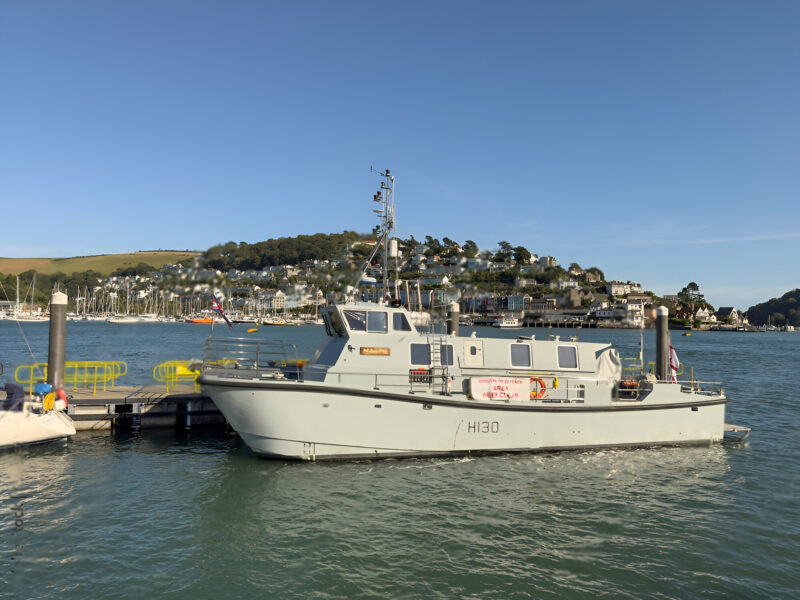
Hydrographic training can open up a wide range of career opportunities in both the public and private sectors. Ocean Science plays a key role in this field. Governments and organizations around the world rely on hydrographic data to ensure safe navigation, maintain infrastructure, and protect the environment. Ocean Science is essential for understanding these applications. Moreover, it helps clarify the broader impact of this data.
Industry Applications Across Sectors
Besides, private companies in industries such as oil and gas, renewable energy, and telecommunications require hydrographic data to plan and execute their operations. Therefore, have you considered the value of specialized hydrographic training in your career development? Ocean Science knowledge can enhance your expertise in these industries.
Key Benefits of Hydrographic Training
Here are some reasons why undergoing hydrographic training can be a game-changer for your career as an oceanographer.
-
Professional Value and Skill Development
Hydrographic training, can position you as a valuable asset in these fields. The training can help you develop a unique skill sets. While many oceanographers focus on biological or chemical processes, hydrographic training provides you with a specialized understanding of the physical ocean. This can make you a more well-rounded and versatile oceanographer. You will be capable of tackling a wider range of research questions and projects. In fact, Ocean Science often overlaps with hydrographic training in these research areas.
-
Hands-On Technical Experience
Hydrographic training can also provide you with hands-on experience using state-of-the-art technology and equipment. From multibeam sonar systems to GNSS positioning devices, the training exposes you to the latest tools and techniques used in the field. This not only enhances your technical skills. It also makes you more marketable to potential employers.
-
Networking and Professional Connections
Additionally, hydrographic training can connect you with a network of professionals in the field. By attending training courses, conferences, and other events, you can meet other oceanographers, hydrographers and industry professionals. These connections can lead to valuable partnerships, collaborations, and job opportunities throughout your career.
-
Getting Started with Hydrographic Training
So, how can you get started with hydrographic training? There are many organizations and institutions that offer hydrographic training programs, both online and in-person. Look for courses that are accredited by recognized organizations such as the International Hydrographic Organization (IHO) or the Federal Institute for Hydrography (FIG). These courses will provide you with a standardized education in hydrography. This ensures that you have the skills and knowledge necessary to succeed in the field.
-
Choosing the Right Training Program
When selecting a training program, consider factors such as the course curriculum, length, cost, and location. Look for courses that cover a wide range of topics, including data collection and processing, cartography, and geodesy. Additionally, consider programs that offer hands-on experience with equipment and software. This will enhance your technical skills and make you more marketable to potential employers. Ocean Science curriculum in a training program broadens your perspective
Get ahead
Undergoing specialized training is an essential step in the career development of any or aspiring oceanographer. By gaining a deep understanding of the physical features of the ocean, developing a unique skill set, using state-of-the-art technology, and connecting with other professionals in the field, you can position yourself as a valuable asset in a wide range of industries. So, consider investing in hydrographic training today and take your oceanography career to the next level.
Read More:


