


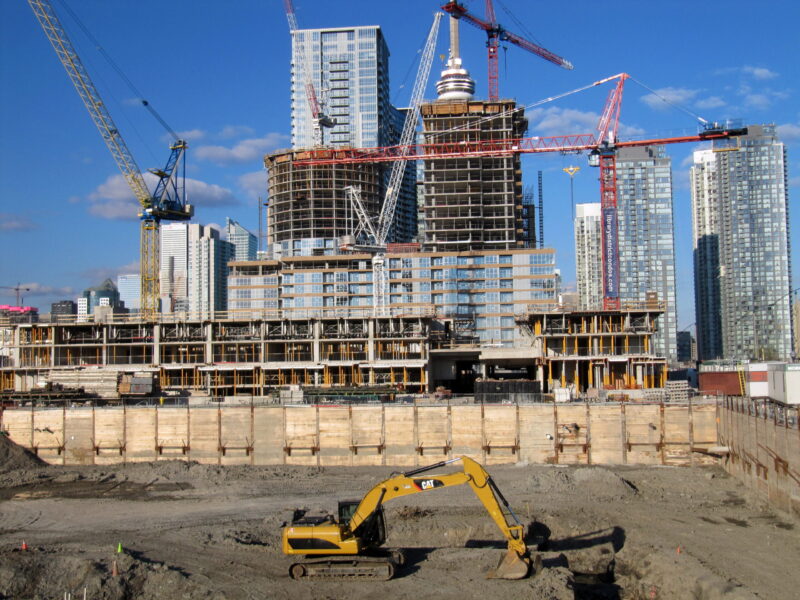
Construction project management is an organized professional service which makes use of specialized, creative project management practices to oversee the entire planning, conceptualization, design, and construction of an organization’s project. This management takes place from the initial planning to the finished operation. It involves the use of technical skills, best practices, financial management, quality control, resource allocation and communication. It is generally a collective discipline of people who work together for a common purpose. For example, teams may work together to construct a building, bridge, airport, or other structures. In the planning stage of the construction project management process, various aspects are considered.
Planning and Budget Analysis Phase
These include budget analysis, scheduling, cost analysis, cost control, cost allocation, cost recovery, and technical solutions.
Scheduling and Project Timeline Management
In the scheduling phase, the project manager determines the schedule, as well as milestones and other dependent tasks. Achieving the schedule depends on many factors such as the scope, complexity, and time required. The schedule is dependent on the planning phase objectives, which may include timelines, cost estimates, time limitations, financial constraints, and realistic business models. The objective of scheduling includes reaching the objectives within the defined time frame. This aspect of construction project management involves managing the schedule and controlling the costs. By keeping construction project management at the forefront, managers can ensure milestones are met efficiently.
Cost Management and Control
Cost management, on the other hand, refers to the reduction of expenses associated with the completion of the construction projects. Most construction projects have several levels of enclosures, which involve different levels of labor, materials, and overhead. Contractors are responsible for overall management of all levels of enclosures. Control of costs includes controlling materials, labor, and overhead associated with the completion of each stage, and this is a central focus of any sound construction project management strategy.
Although each stage has its own distinct set of activities, the construction project management process integrates all of them. The project manager integrates these activities to ensure the organization achieves its goals. During the contracting phase, the organization and contractors establish contracts that define the required services. These contracts also specify the level of service contractors can deliver within a specified timeframe. Project teams manage construction delivery and completion by coordinating suppliers, subcontractors, material providers, transportation contractors, and other heavy civil and heavy equipment contractors. Ultimately, successful construction project management coordinates every phase from contracting through delivery.
Project Management Software and Digital Tools
Plan Street helps construction project managers utilize all available resources to manage construction projects effectively. It serves large, complex organizations as well as small companies. The system includes all essential software tools and modules that project managers need, enabling them to produce annual reports, conduct analyses, compile case histories, and perform database searches, among other tasks. Project managers can customize their software programs, so that they can better meet their individual company needs. Additionally, digital tools maximize efficiency in construction project management for modern organizations.
Aslo Read: BIM for Construction – A Cost Effective Delivery Solution


